How to Keep Guests Engaged at Any Live Event
Because everyone can play directly on their phone,
Make Event Bingo Part of the Event
The game can be created specifically for the people who will be playing it and the event they're attending.
At a corporate meeting, a square might be "Someone says synergy," "Technical difficulties" or "Question about AI." At a birthday party, the squares can reference guests, family traditions and things the guest of honor always says. A seminar can use speakers, presentation topics and predictable audience questions. Even a road trip can become a bingo game with landmarks, unusual vehicles, roadside signs and things spotted along the way.
This is where customizable bingo becomes much more interesting than handing everyone a generic bingo card. The game can be created specifically for the people who will be playing it and the event they're attending.

Give People a Reason to Start Playing Early
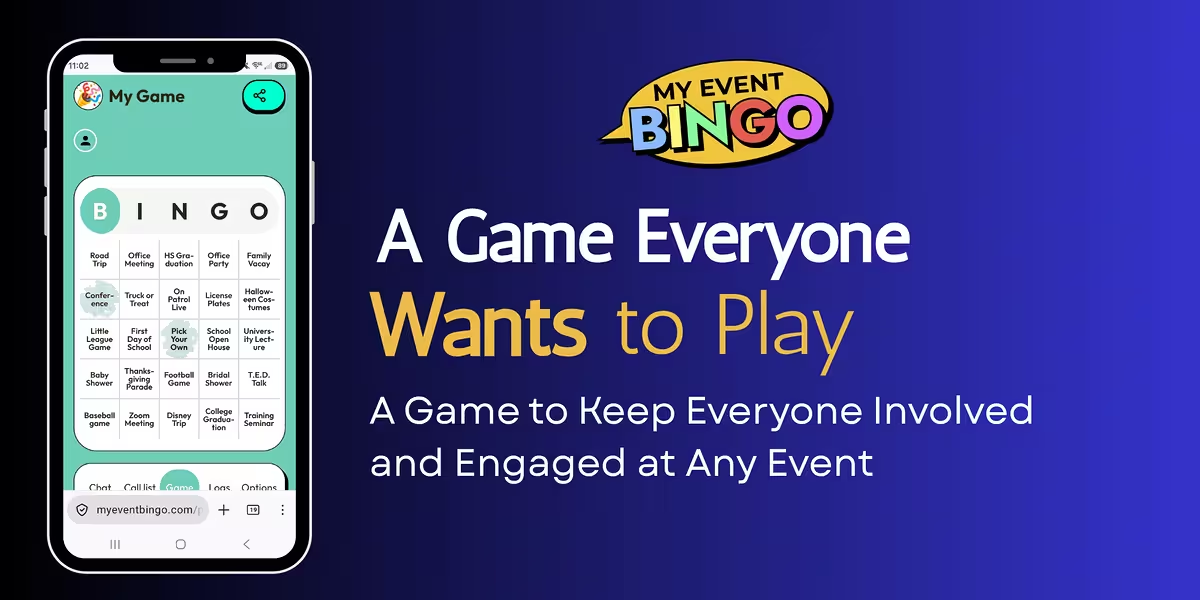
With MyEventBingo, attendees can play on their phones, so joining the game can be as simple as opening a link or scanning a QR code. There are no bingo cards to distribute and no pens to find. That removes one of the biggest problems with adding games to a live event: logistics.
Give people a chance to look through their bingo cards before things get underway. Reading the squares is part of the fun because players immediately start anticipating what might happen. A square that says "Microphone stops working" suddenly makes a microphone problem something half the room is secretly hoping for.
Customize the Bingo Squares for Your Audience
Think about what these particular people will recognize. Inside jokes, common phrases, familiar personalities, recurring situations and predictable behavior all make great bingo squares.
If Dave always asks a question that turns into a ten-minute story, Dave may belong on the card. If every company presentation somehow includes the phrase "circle back," use it. At a family party, there may be someone who inevitably asks when dinner will be ready. On a road trip, everyone may know that someone will eventually announce that they need a bathroom five minutes after leaving a rest stop.
Those details make people realize the game was created specifically for them. That's also when players start showing each other their cards and talking about what they need.
Use Bingo to Keep Peoples Attention
That's one of the advantages of MyEventBingo. Players have to watch what's happening if they want to mark their squares. Instead of checking their phone because they're bored, they're checking a bingo card because something just happened in the room.
For a seminar or conference, squares can relate to speakers and topics. A watch party can include things that might happen during the program. A company meeting can incorporate announcements, common phrases and presentation moments. A party can turn the behavior of the guests themselves into the entertainment.
The game becomes another layer of the event rather than a competing activity.
Mix Easy Squares With Unpredictable Ones
anticipation is a big part of what keeps people involved
Mix predictable moments with things that might happen. Then add a few wild cards that would be particularly funny if they actually occurred.
You want players thinking, "I only need someone to say that one thing."
That anticipation is a big part of what keeps people involved. An ordinary moment can suddenly become hilarious because 30 people realize at exactly the same time that they can mark a square.
Make the Bingo Game Sound Like Your Event
MyEventBingo allows the game to be customized for the event, so use that freedom. Funny events can have funny squares. Professional events can use industry terminology and situations attendees will recognize. Family events can get personal. Road trips can get weird.
The more the bingo game reflects the personality of the event, the less it feels like a generic activity and the more likely people are to actually play.
